
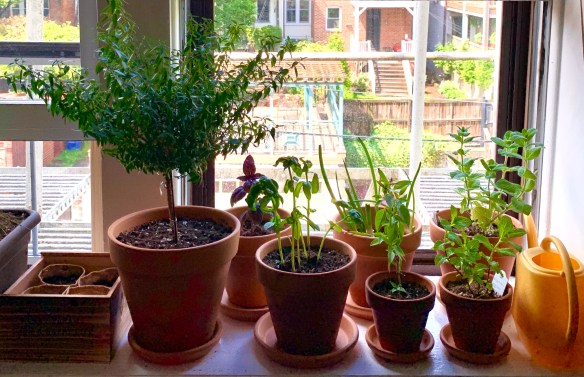
Last year I wrote about my dream of having an herb garden, despite the difficulties of living in a city and not having very much land or space to do so. A year later, I’m happy to report that we now have the beginnings of a lovely little windowsill garden. What began as a couple of potted plants has now grown into several potted plants, a box of little seedlings, and a full planter box. We’ve happily spared no inch on the windowsill. Now that we’re cooking a lot more, and trying to be more creative with what we cook, it’s been a huge plus to be able to have a variety of fresh herbs on hand. It’s also been a fun quarantine project, between planting new seeds and watching their growth, and picking out different herb varieties to add to our collection — which now includes three kinds of basil (sweet, purple, and thai), two kinds of mint (apple and mojito), parsley, chives, cilantro, thyme, and scallions.
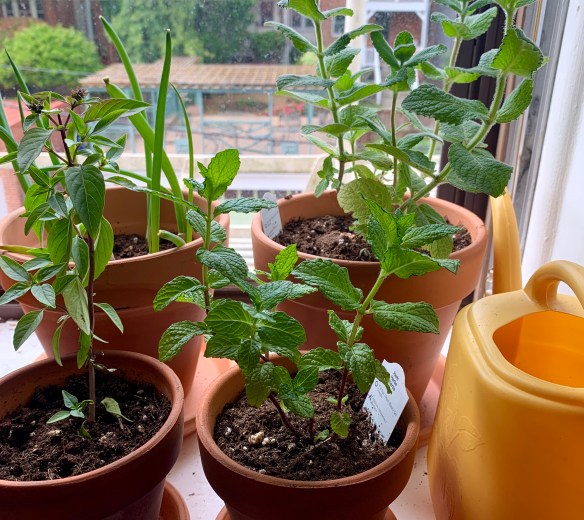
There are so many wonderful benefits to growing herbs. For one, you don’t have to worry about running to the grocery store ad hoc to pick up herbs you need for different recipes; you can simply walk over to your windowsill and fetch some (which is especially convenient during this time). There is also the added benefit of not worrying about the perishable bag of herbs you bought from the store going bad in your refrigerator; when you have herbs steadily growing in your home, you can just go grab what you need for your meal, and not worry about having to quickly use the rest. On top of all this, there is the wonderful benefit of herbs giving you a reason to experiment with different flavors, and to use your fresh herbs to take your meals to another level. I am a strong believer that (almost) all meals are made better with herbs.
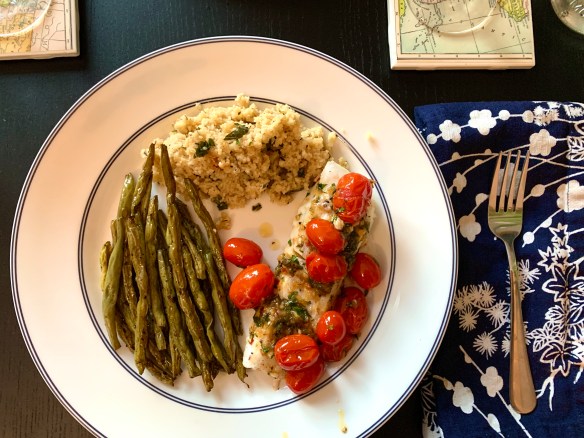
Above: Cod with tomato and herb butter, made lovely with lots of fresh parsley.
Whether it’s adding parsley or basil to fresh pasta, or topping your tacos with a sprinkling of cilantro, or chopping chives to throw into an omelette, or enhancing your cocktails with some mint, there are so many ways you can combine herbs into your dishes and drinks; and you can also make some really lovely sauces, soups, and pestos. While herbs aren’t always the centerpiece of a meal, they are the incredibly important supporting actors that make the leading actor in a meal that much better. In addition to enhancing the taste of a dish, herbs also look super lovely on any plate, and add a level of detail that really makes a meal sing.
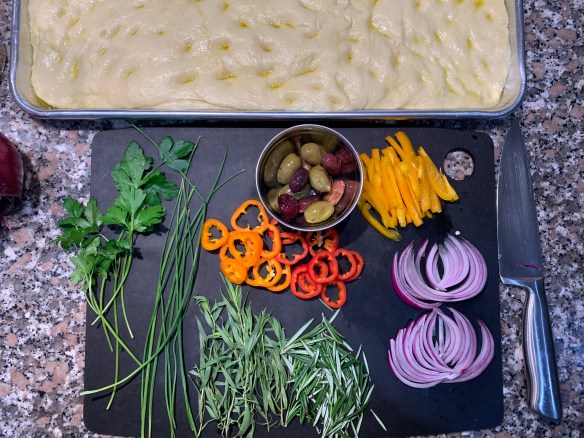
Some of my favorite herby recipes of late include: rosemary focaccia bread, cod with tomato and herb butter, Thai spicy basil fried rice, parmesan-crusted chicken, savory scones with goat cheese and chives, and cilantro lime slaw. But this is by no means an exhaustive list, as I’m now driven to add fresh herbs to almost any dish I can (and happily so!).

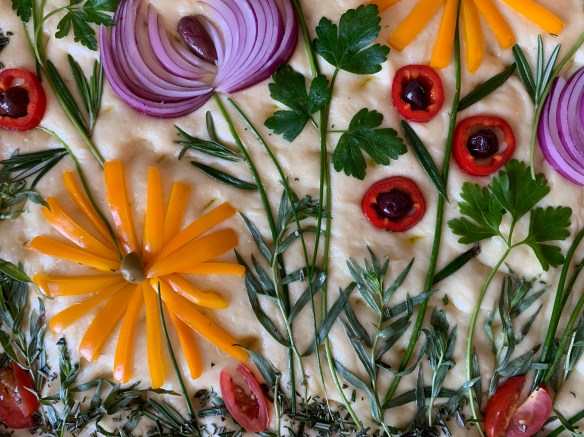
Above: Homemade focaccia bread, topped with plenty of rosemary, parsley, tarragon, and basil.
I hope this inspires you all to start your own little herb gardens. The beautiful thing about starting a mini garden is that there is no set structure and there are no set rules to follow — you can grow any number of herbs or varieties, and you can do so in your yard, on your windowsill, or in any corner of your countertop where sunlight touches. You can also limit your collection to just one or two herbs (basil or parsley, or whichever herbs you use most frequently), or expand it to a large variety. Now is the perfect time to experiment with fresh herbs with all the extra time at home, so give it a try and have fun with it!
Happy cooking, and much love,
Ash

 Eat. Drink. Share.